PSI
The Program for Surgical Intelligence
at Mount Sinai

Building the Surgeon of the Future

We are pioneering the integration of AI and surgery to deliver safer, more precise, and more personalized care.

Mission & Vision

We leverage artificial intelligence and surgical data science at scale to transform surgical care, accelerate research and innovation, and improve patient outcomes.

At Mount Sinai, we are defining the Surgeon of the Future. By utilizing artificial intelligence (AI) to capture the data in the operating room from every action, instrument, and signal, surgeons can drive the creation of novel surgical AI tools. These tools enable surgeons to identify patterns unrecognizable with traditional vision and intervene beyond the reach of present-day dexterity. This empowerment translates to safer, more effective, and individualized surgical care for our patients.

Introduction to the Program for Surgical Intelligence

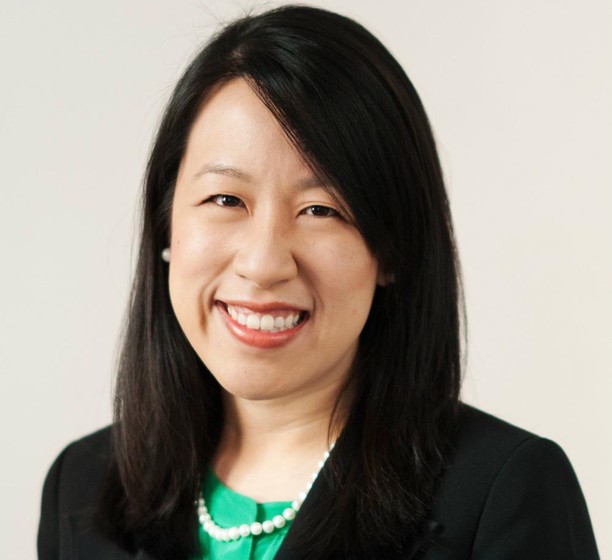
Denise Lee, MD

AI in the Operating Room: State of the Science

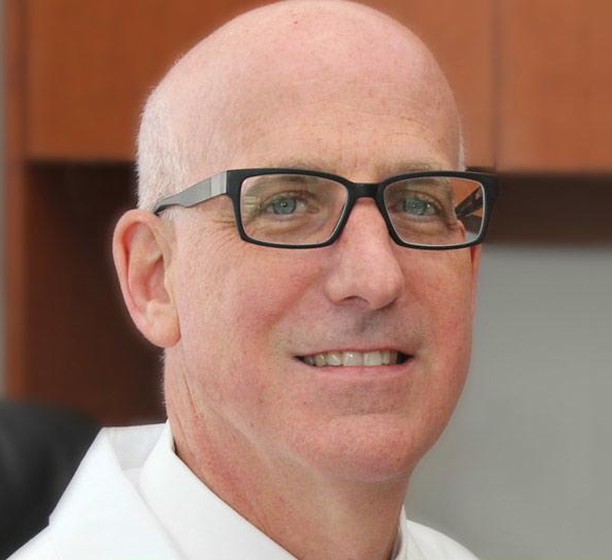
Gabriel Oland, MD

Current Projects

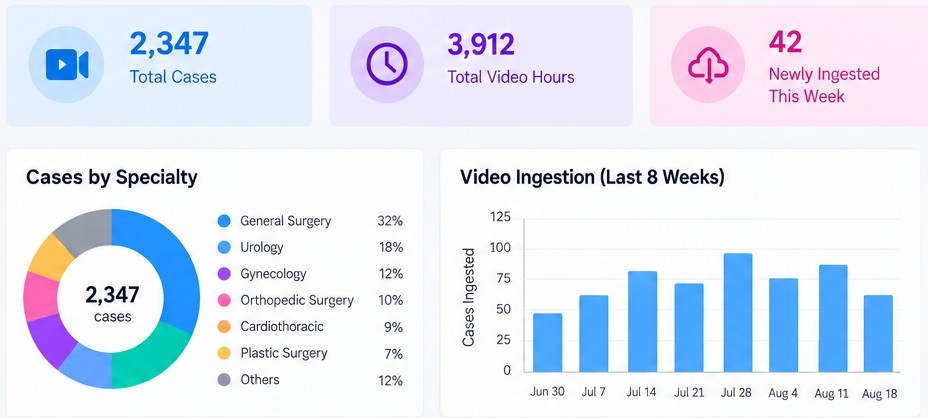
Operative Video Warehouse

Operative Video Warehouse

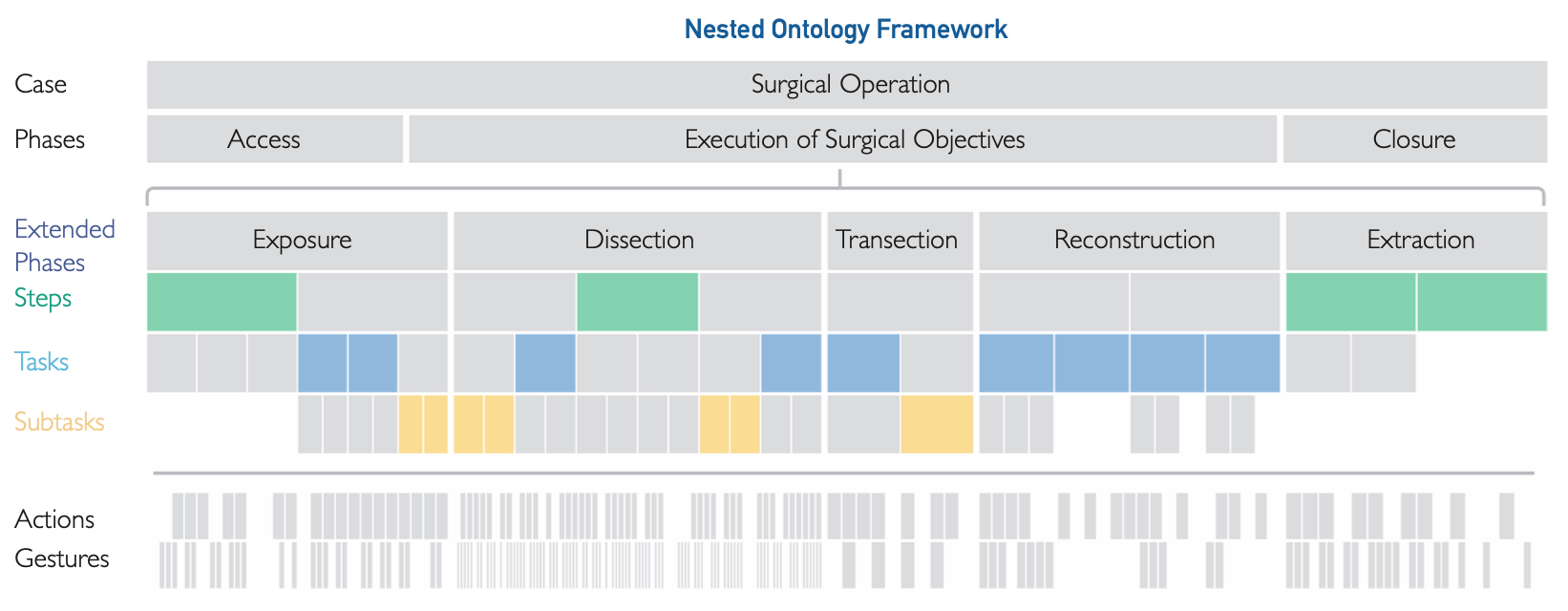
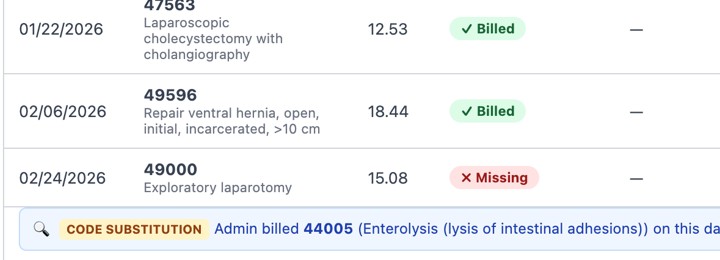
A secure framework for learning from thousands of surgical videos to enable rigorous AI research and discovery.

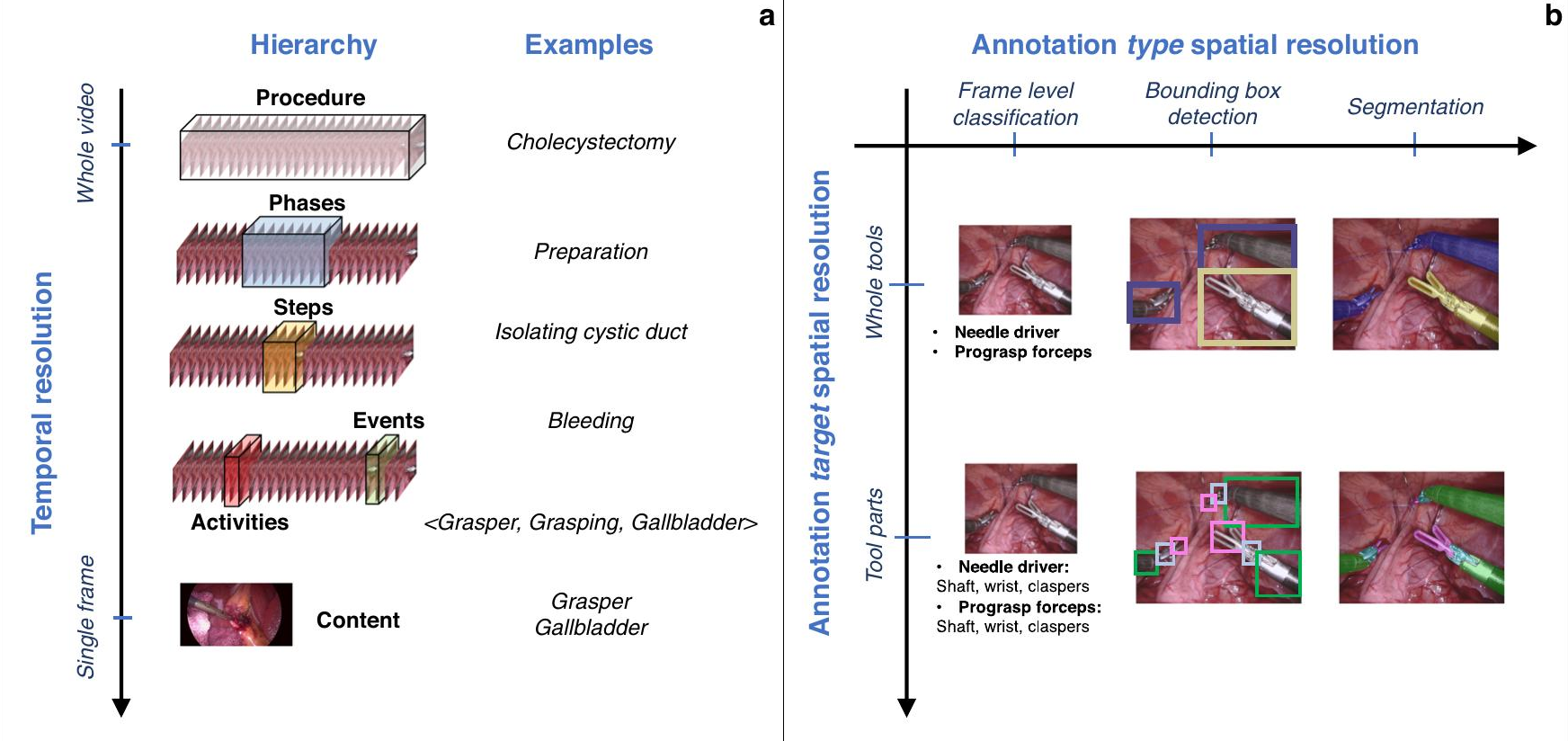
AI learns by leveraging vast quantities of data. We are organizing these complicated data streams into an Electronic Surgical Record to enable efficient dialogue between AI systems, thus allowing for future technological breakthroughs.

Surgeons Training AI Systems

Surgeons Training AI Systems

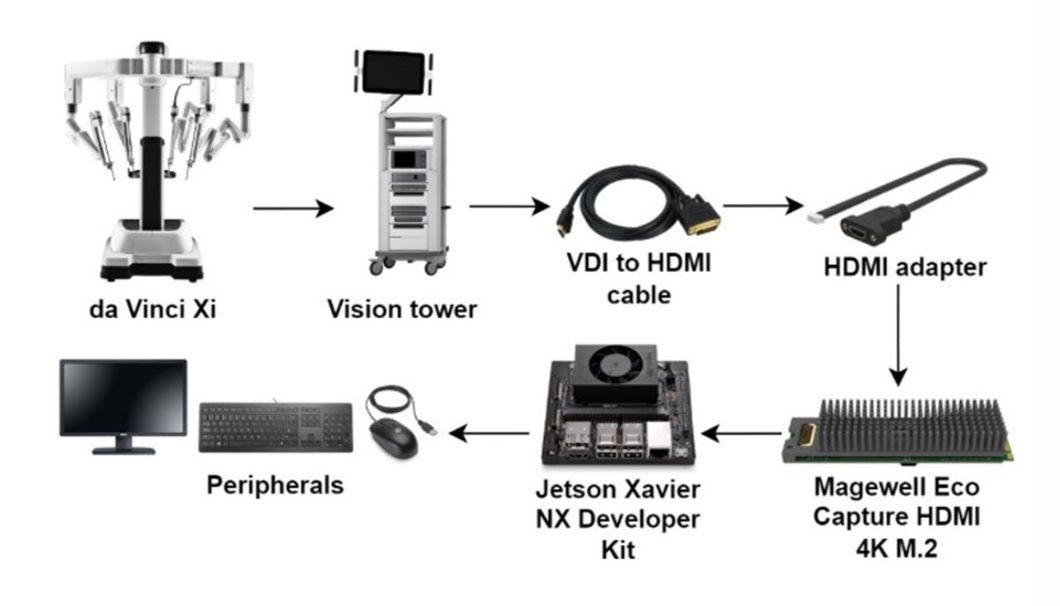
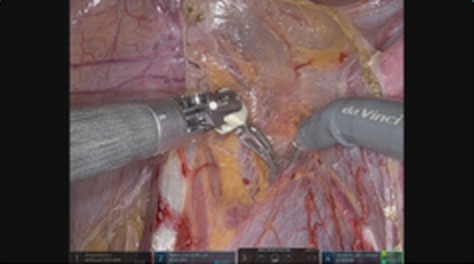
Researching computer vision and edge computing tools in the operating room.

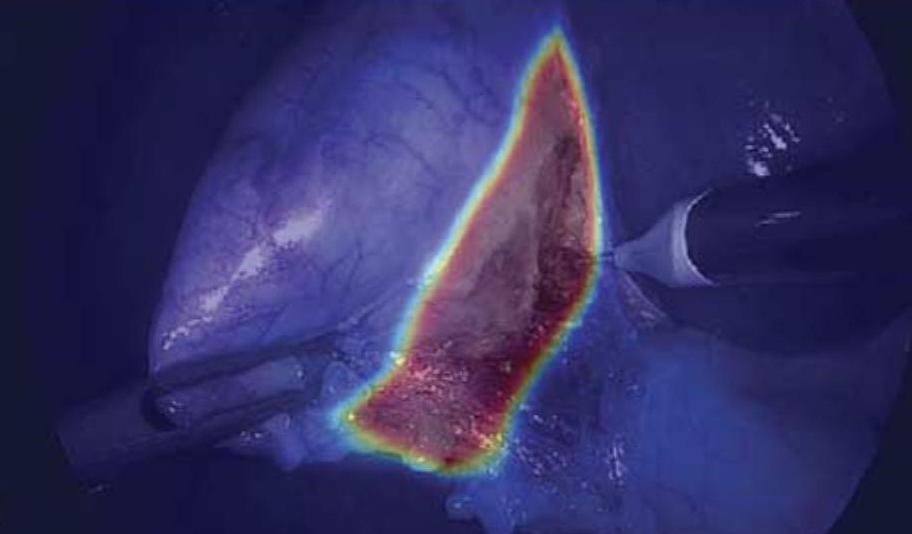
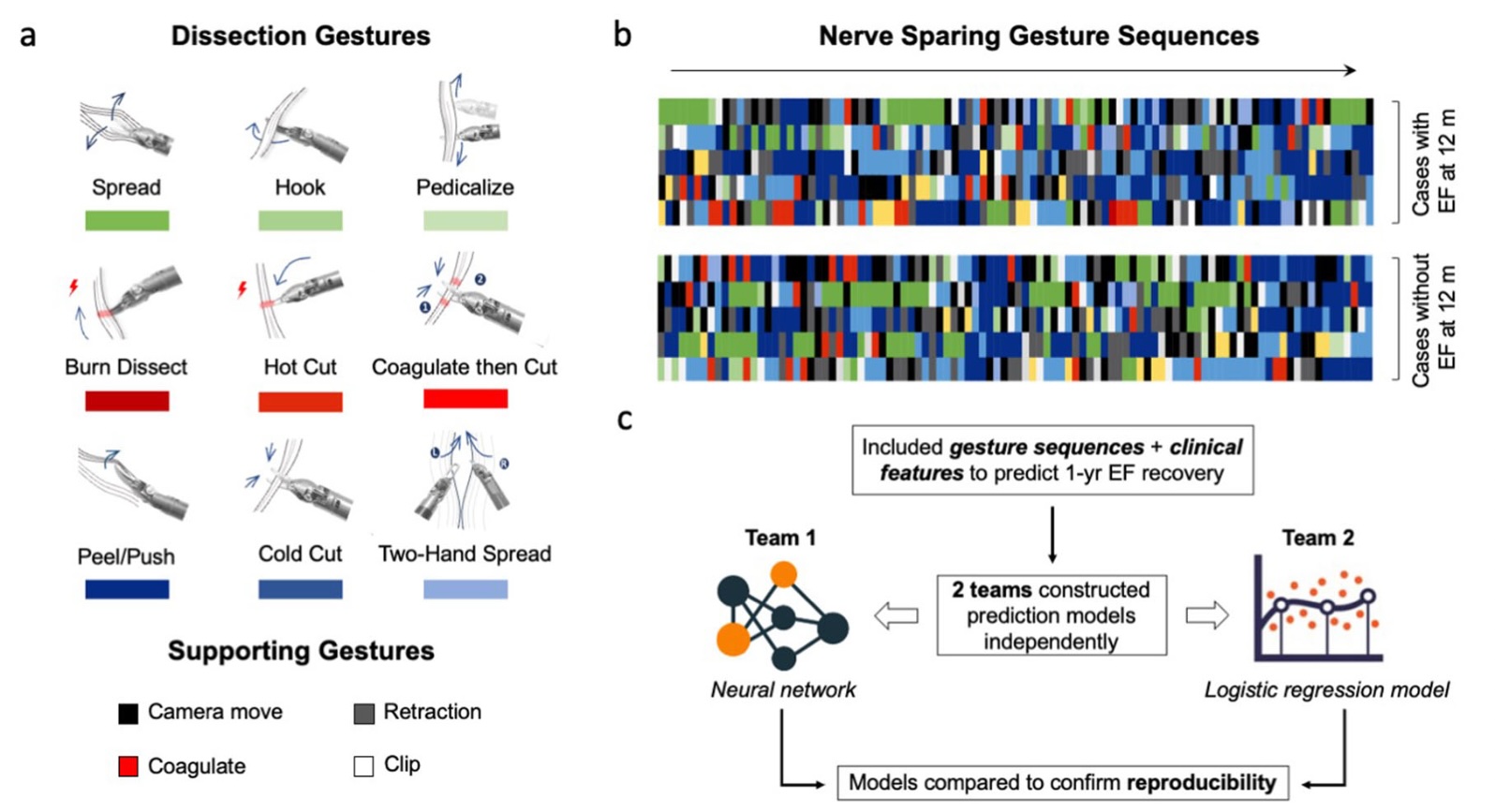
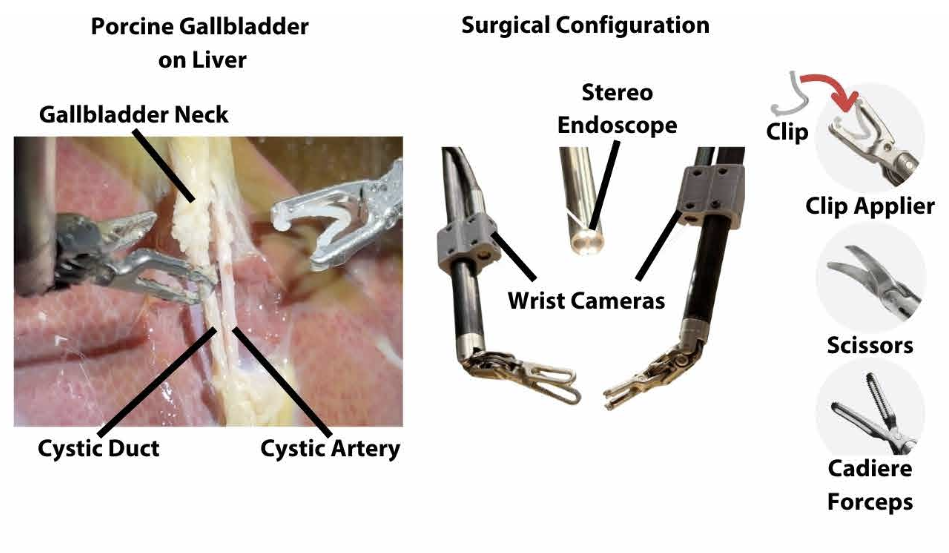
When AI tools are used well, they can enhance how surgeons see, think, and act in the operating room. Our surgeons are teaching the AI context-awareness in the operating room to build tools for surgical phase recognition, navigation assistance, and intraoperative decision support.

Clinical AI

Clinical AI

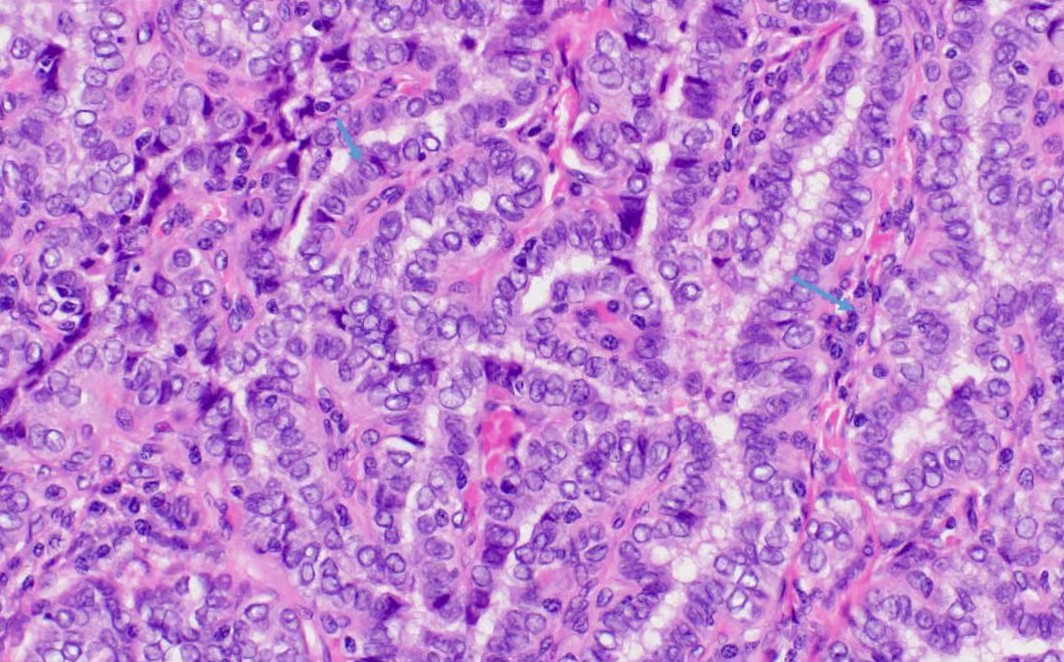
Utilizing AI to transform the way we diagnose and communicate with our patients.

We have already published research that is translating into patient benefit. Our ongoing work involves multimodal prediction models for cancer, agentic large language models for frailty assessment, and multi-agent tumor board simulation.

Foundations

Data Infrastructure

The backbone for the Program for Surgical Intelligence is a secure, standardized repository of surgical video and intraoperative data. Working in partnership with Mount Sinai's Windreich Department of Artificial Intelligence and Human Health, we leverage Mount Sinai's vast data science resources integrated with the Minerva supercomputer, one of the largest academic AI compute infrastructures in the country.
Ethics, Privacy, and Transparency

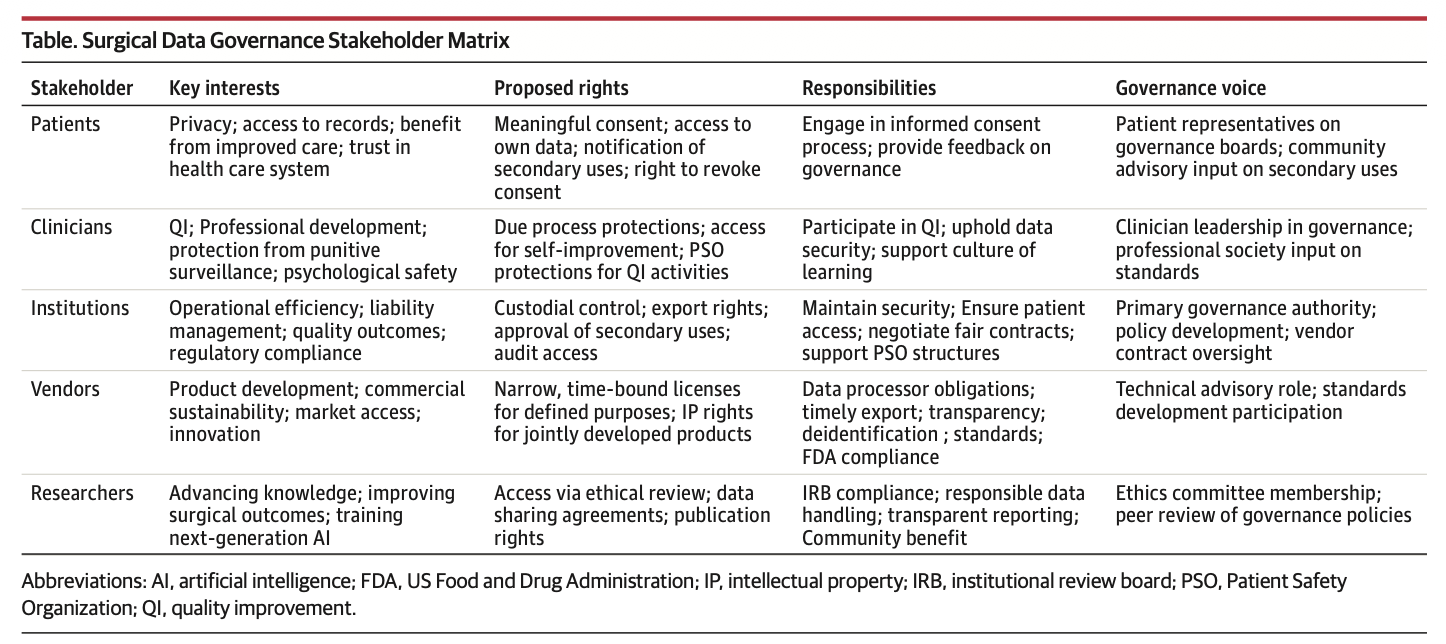
Responsible AI requires more than innovation — it requires trust. We are committed to:

  • Protecting patient privacy and data rights
  • Mitigating bias in AI models
  • Ensuring tools are explainable and transparent
  • Aligning with regulatory standards at every step

By placing ethics at the core, we ensure that surgical AI adoption is safe, equitable, and patient-centered.

Literature We're Reading

News

Meet Our Team

Michael Marin, MD

Michael Marin, MD

Founder and Executive Sponsor Professor of Surgery

Dr. Marin is a vascular surgeon, Chair of the Department of Surgery, and Surgeon-in-Chief at the Icahn School of Medicine at Mount Sinai. He pioneered the field of endovascular surgery in the 1990s and has been shepherding surgical breakthroughs to real world clinical impact ever since.

View Profile →
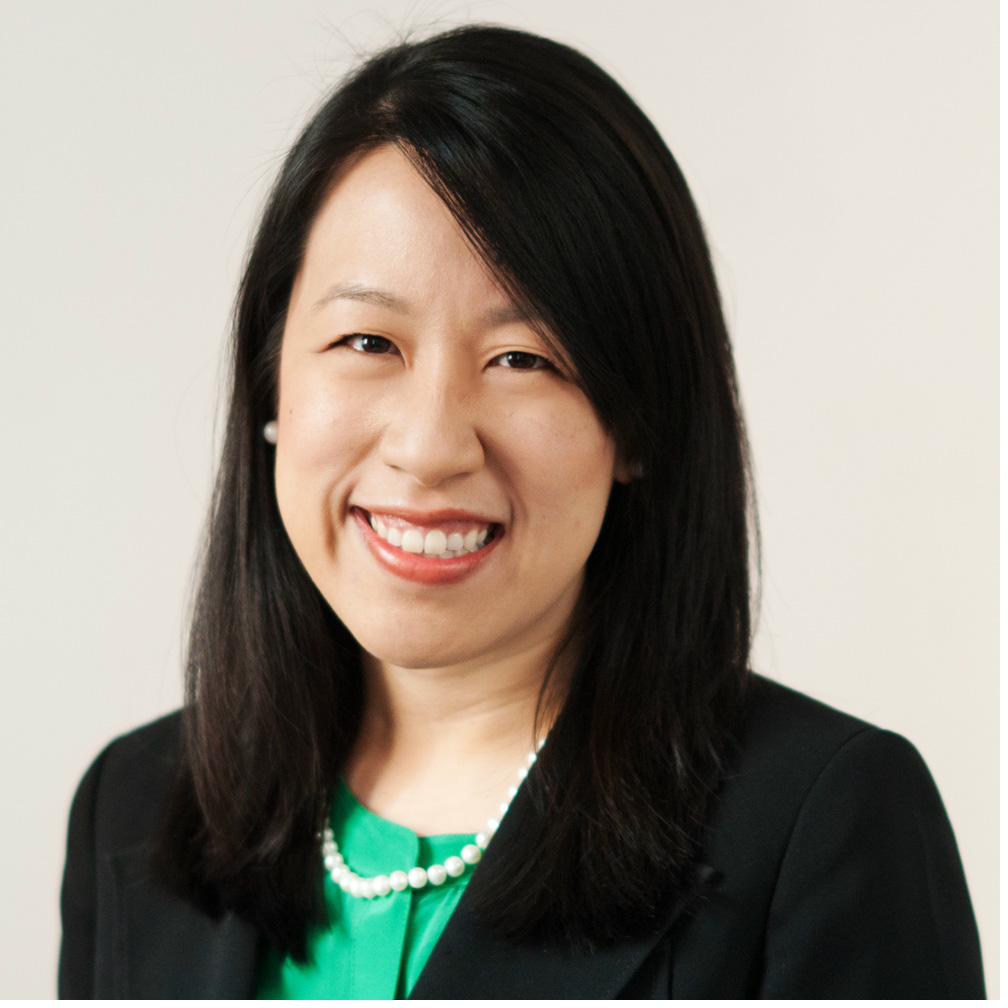
Denise Lee, MD

Denise Lee, MD

Co-Director Associate Professor of Surgery

Dr. Lee is an NIH-funded endocrine surgeon-scientist exploring how AI can transform thyroid cancer management. Her research applies novel multimodal machine learning methods to refine preoperative risk prediction and guide personalized surveillance strategies.

View Profile →
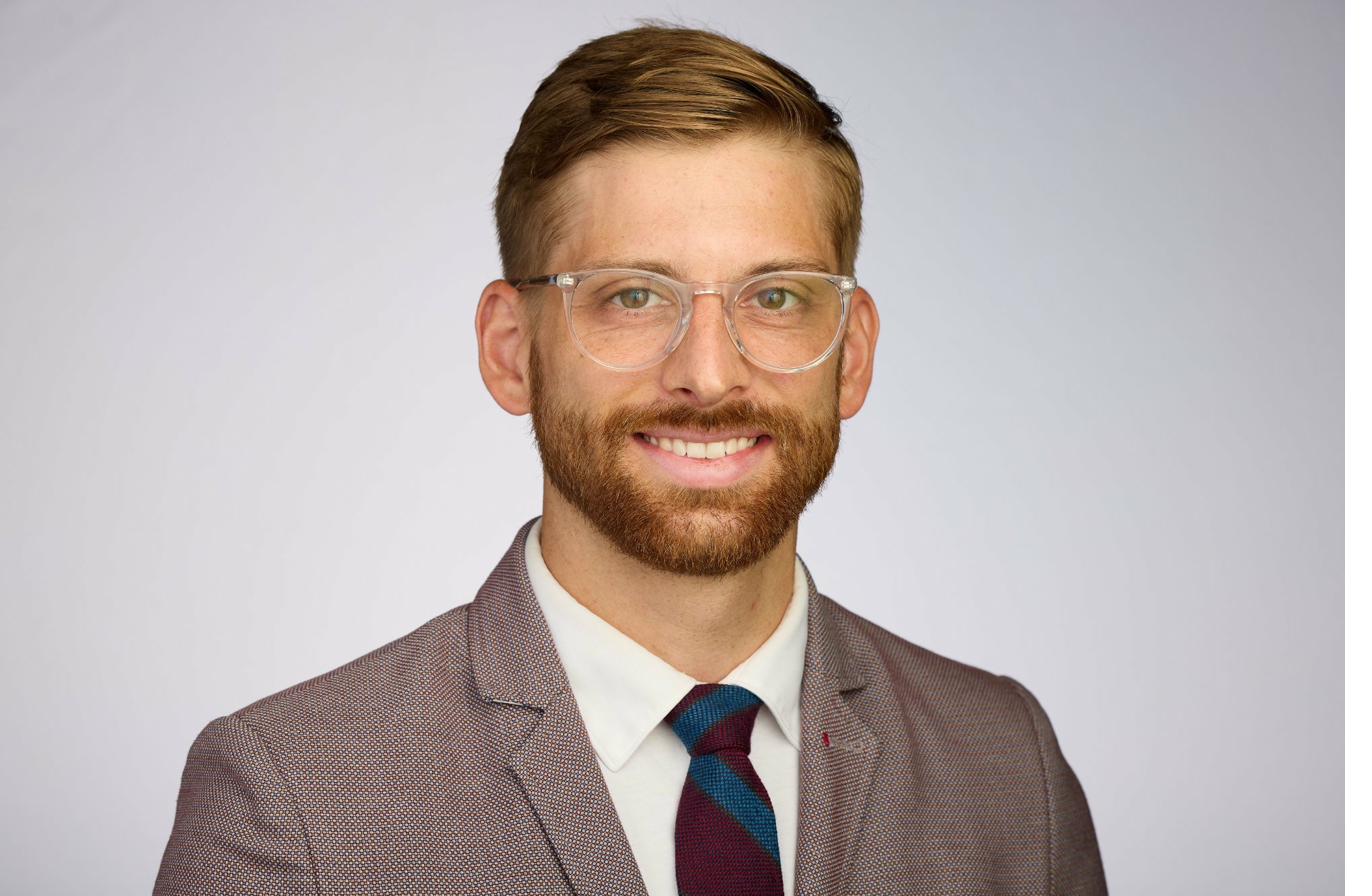
Gabriel Oland, MD

Gabriel Oland, MD

Co-Director Assistant Professor of Surgery

Dr. Oland is a minimally invasive surgeon with a background in engineering and medical innovation, and a special interest in computer vision, a form of AI that teaches computers how to understand operative video. Daily he is taking care of patients or in the operating room, actively using and evaluating the tools that are inspiring the technological breakthroughs of tomorrow.

View Profile →
Girish Nadkarni, MD, MPH

Girish Nadkarni, MD, MPH

Professor of Medicine

Dr. Nadkarni is System Chair of the Windreich Department of Artificial Intelligence and Human Health, and Director of the Hasso Plattner Institute for Digital Health. He is also the Chief AI Officer of the Mount Sinai Health System and therefore leads the system's clinical AI integration efforts, with a particular focus on translating data science and machine learning into scalable solutions that enhance patient care.

View Profile →
Benjamin Glicksberg, PhD

Benjamin Glicksberg, PhD

Associate Professor

Dr. Glicksberg directs the Digital Discovery Program as part of the Hasso Plattner Institute for Digital Health and the Windreich Department of AI and Human Health, and is the Founding Director of the Center for AI in Children's Health. His work involves the analysis and integration of diverse multimodal data for applications ranging from predictive modeling to drug discovery.

View Profile →
Ashwin Sawant, MD

Ashwin Sawant, MD

Assistant Professor of Medicine

Dr. Sawant works clinically in the Department of Medicine and as a clinical informaticist in the Windreich Department of AI and Human Health. Drawing on his frontline clinical experience, he ensures that data generated during patient care is organized, interoperable, and primed to power novel clinical models on the backend.

View Profile →
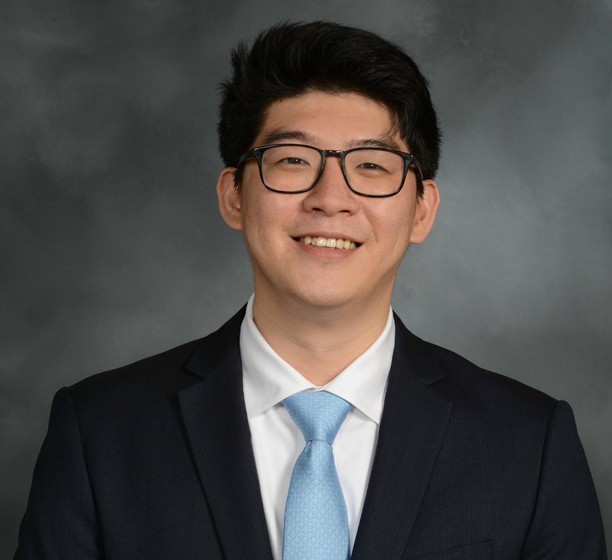
Steven Yen

Steven (Shen-yu) Yen

Clinical Informatics Analyst

Steven works as a clinical informaticist at Mount Sinai and is responsible for creating machine learning pipelines and extracting electronic health record data used to conduct novel surgical research.

Get Involved

Join us in shaping the future of surgical AI. We welcome surgeons, trainees, data scientists, engineers, industry and academic collaborators, and patient advocacy groups.

Collaborate With Us

Submit Project Ideas